.png)


The Soul of the South: Celebrating the Black Legacy in Every Bite

This February, we're not just celebrating Black History Month: we're celebrating the foundation of everything we do at Anita & Joe's. Because here's the truth: Southern cuisine as we know it wouldn't exist without the brilliance, resilience, and creativity of Black Americans. Period.
Every time you taste collard greens simmered low and slow, bite into perfectly seasoned fried chicken, or savor a bowl of creamy grits, you're experiencing a living legacy. These aren't just recipes. They're stories of survival, innovation, and unbreakable spirit that shaped not only the South, but American food culture as a whole.
We understand that food is never just food. It's memory, it's culture, it's love on a plate.
And we also want to be clear: this history isn't ours to claim as our personal heritage.
What we can do (and what we're committed to doing) is cook with deep respect for the Black Americans whose resilience and creativity built the backbone of Southern food, and use our platform to give credit where it's due.
When Chef Billy brings these traditions from the South to the Pacific Northwest, we're doing our best to honor a culinary legacy that deserves to be recognized and respected every single day.
The African Roots That Changed Everything
Let's go back to where it all started. When enslaved Africans were forcibly brought to America, they brought something that couldn't be taken away: their knowledge, their techniques, and their flavor memories from West and Central Africa.
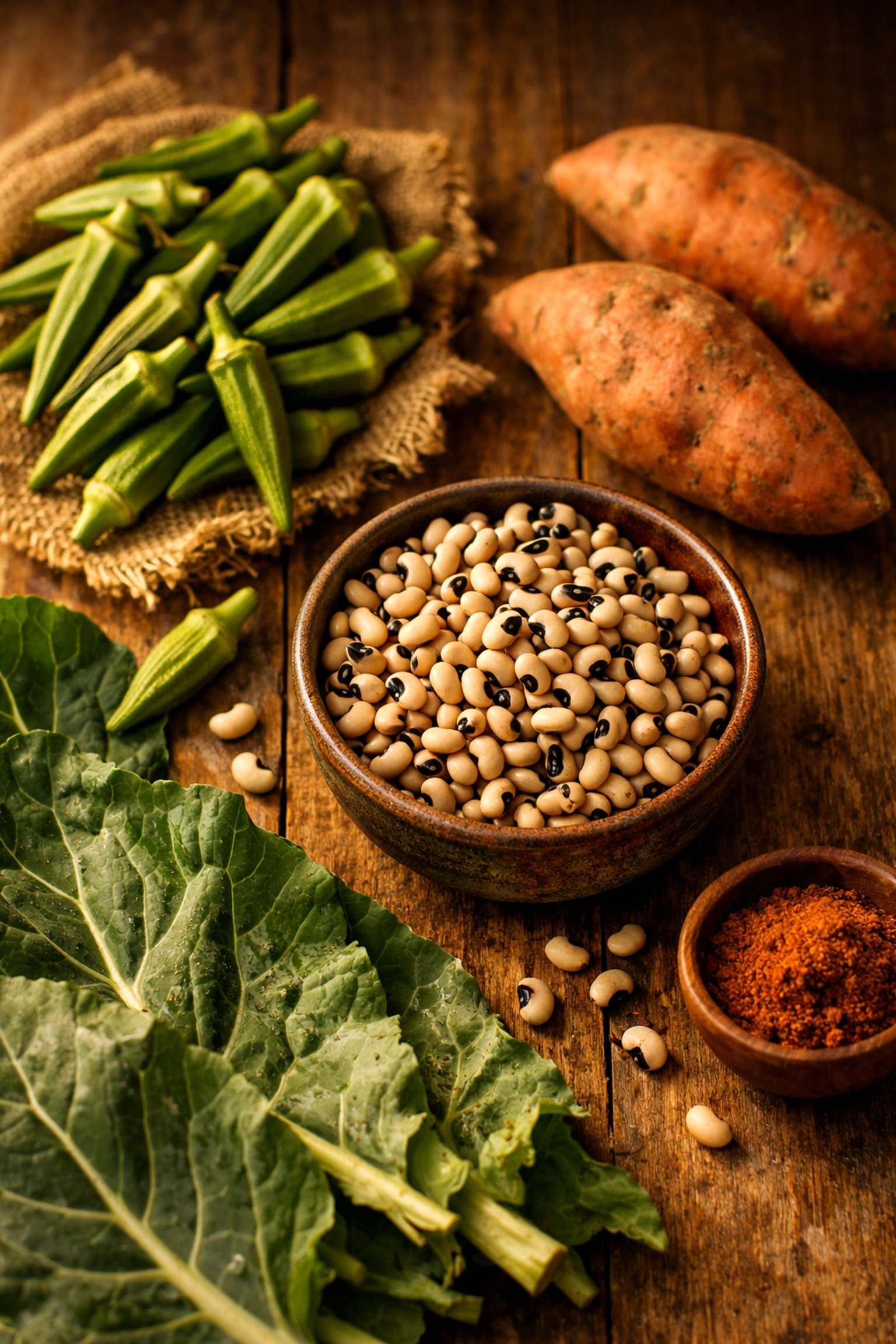
Think about the ingredients we consider quintessentially Southern: okra, black-eyed peas, watermelon, and groundnuts (similar to peanuts). These all originated in West Africa. Rice cultivation? That expertise came directly from West African farmers who knew exactly how to grow it in the humid Southern climate. Those skills gave us dishes like jambalaya, red beans and rice, and hoppin' john.
When enslaved Africans couldn't access the exact ingredients from their homeland, they didn't give up their culinary identity. They innovated. They adapted. They looked at what was available and created magic.
Sweet potatoes became the stand-in for West African yams: not quite the same, but cooked with the same love and techniques. Bitter greens like collard, mustard, and turnip greens replaced the bitter leaf common in West African cooking. Those greens were often the scraps, the parts others didn't want, but Black cooks transformed them into something deeply nourishing and utterly delicious.
This wasn't just cooking. This was resistance. This was saying, "You can take everything from us, but you can't take who we are."
The Ingredients That Built a Legacy
Let's talk about some of the MVPs: the ingredients that tell the most powerful stories.
Okra came straight from West Africa and became essential to gumbo, one of Louisiana's most iconic dishes. That slight sliminess some people aren't sure about? That's what thickens a proper gumbo. It's a feature, not a bug, and it's pure African culinary genius.
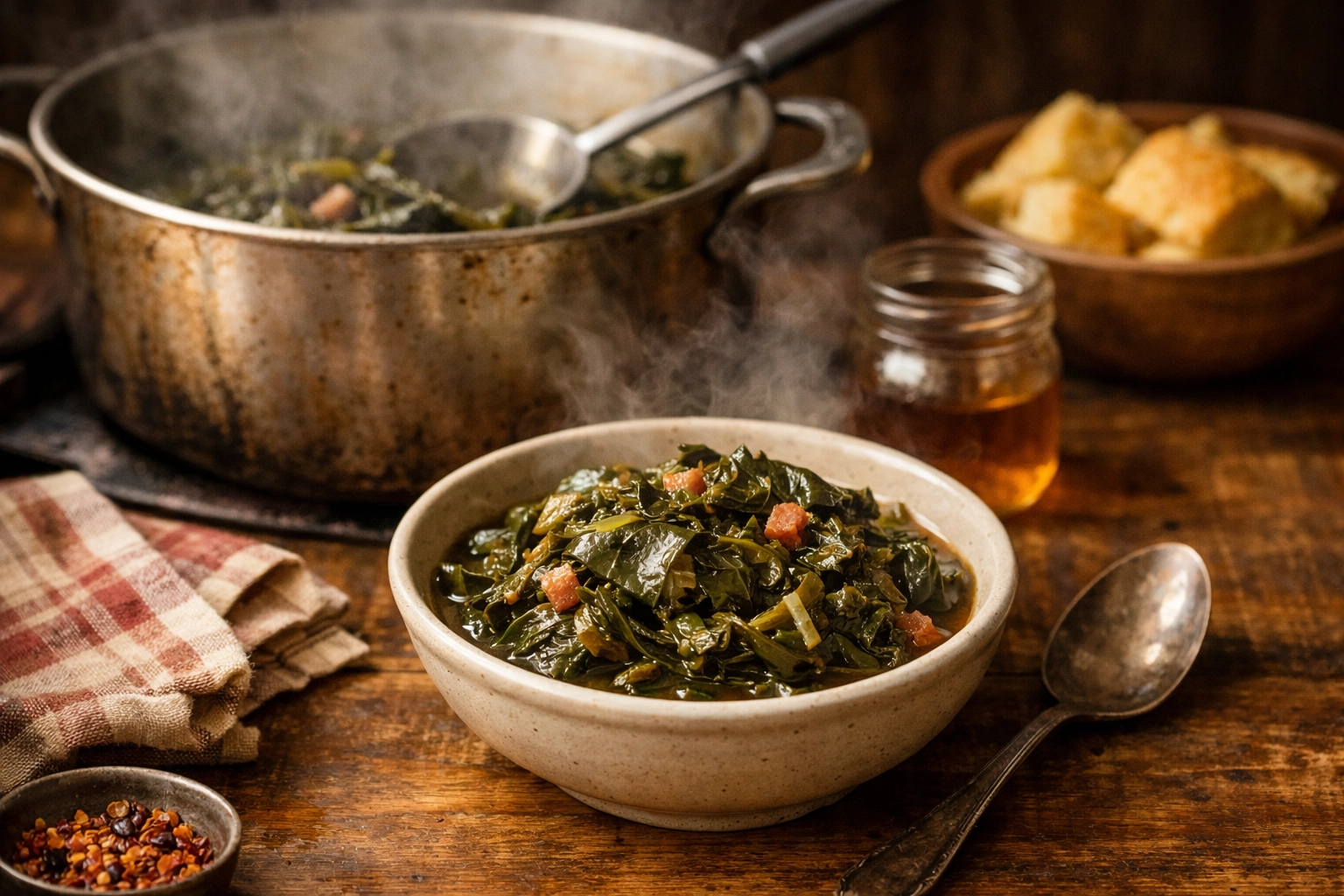
Collard greens became a New Year's tradition: eating them for prosperity and good luck. But their real value was always nutritional and cultural. Cooked down with a ham hock or some bacon, seasoned just right, those greens sustained families and brought communities together around the table.
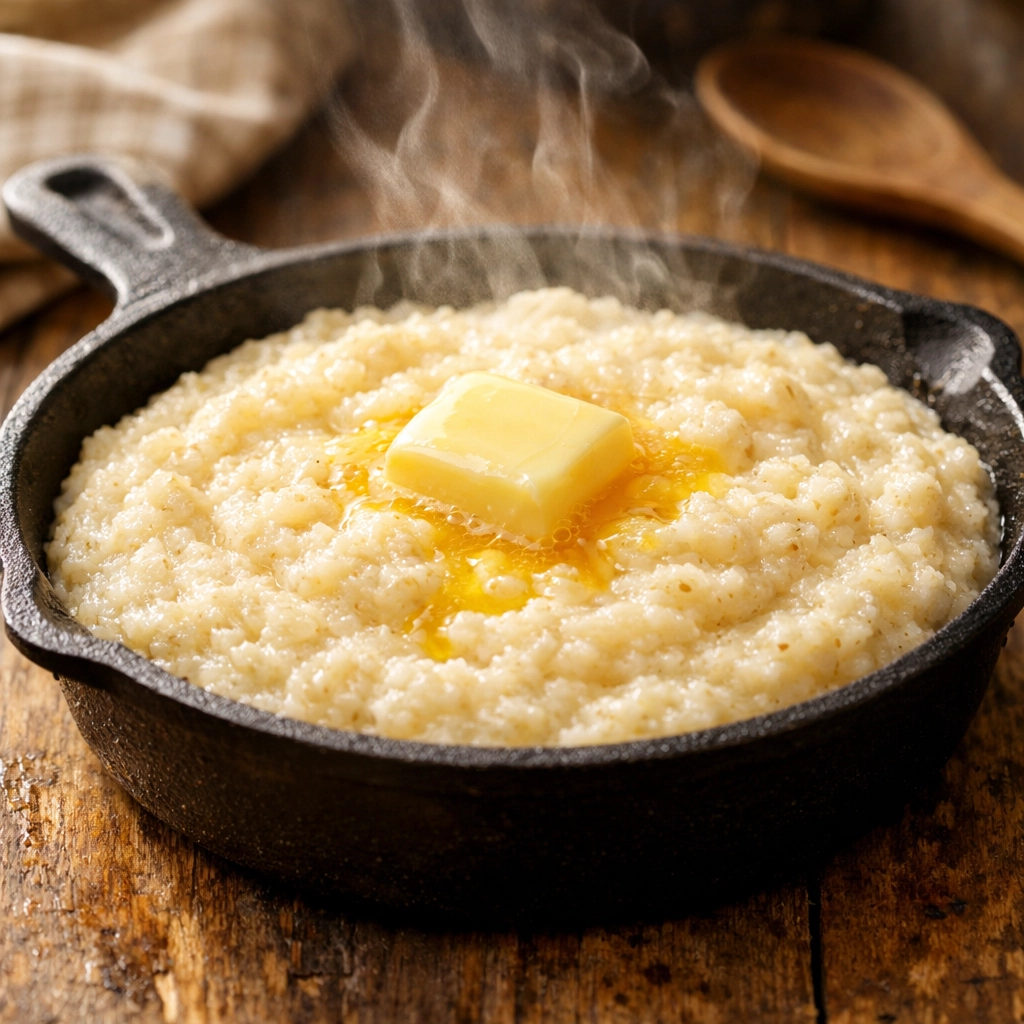
Grits: that creamy, comforting dish: has roots in Indigenous American cuisine but was transformed by African American cooks into a Southern staple. Whether you like them with butter, cheese, shrimp, or just salt and pepper, you're tasting centuries of technique and tradition.
Black-eyed peas weren't just food; they became symbols. Hoppin' John on New Year's Day? That's a tradition born from African American culture, spreading hope and good fortune with every bite.
And let's not forget the spices and heat. The use of cayenne pepper, the flavor profiles, the way Southern food makes your taste buds dance: that comes from African flavor preferences. The soul in soul food isn't just metaphorical. It's the literal seasoning, technique, and love passed down through generations.
Innovation Born from Necessity
Here's what gets us every time: Black cooks were often given the least desirable ingredients: the scraps, the tough cuts, the overlooked vegetables. And they turned them into the most celebrated dishes in American cuisine.
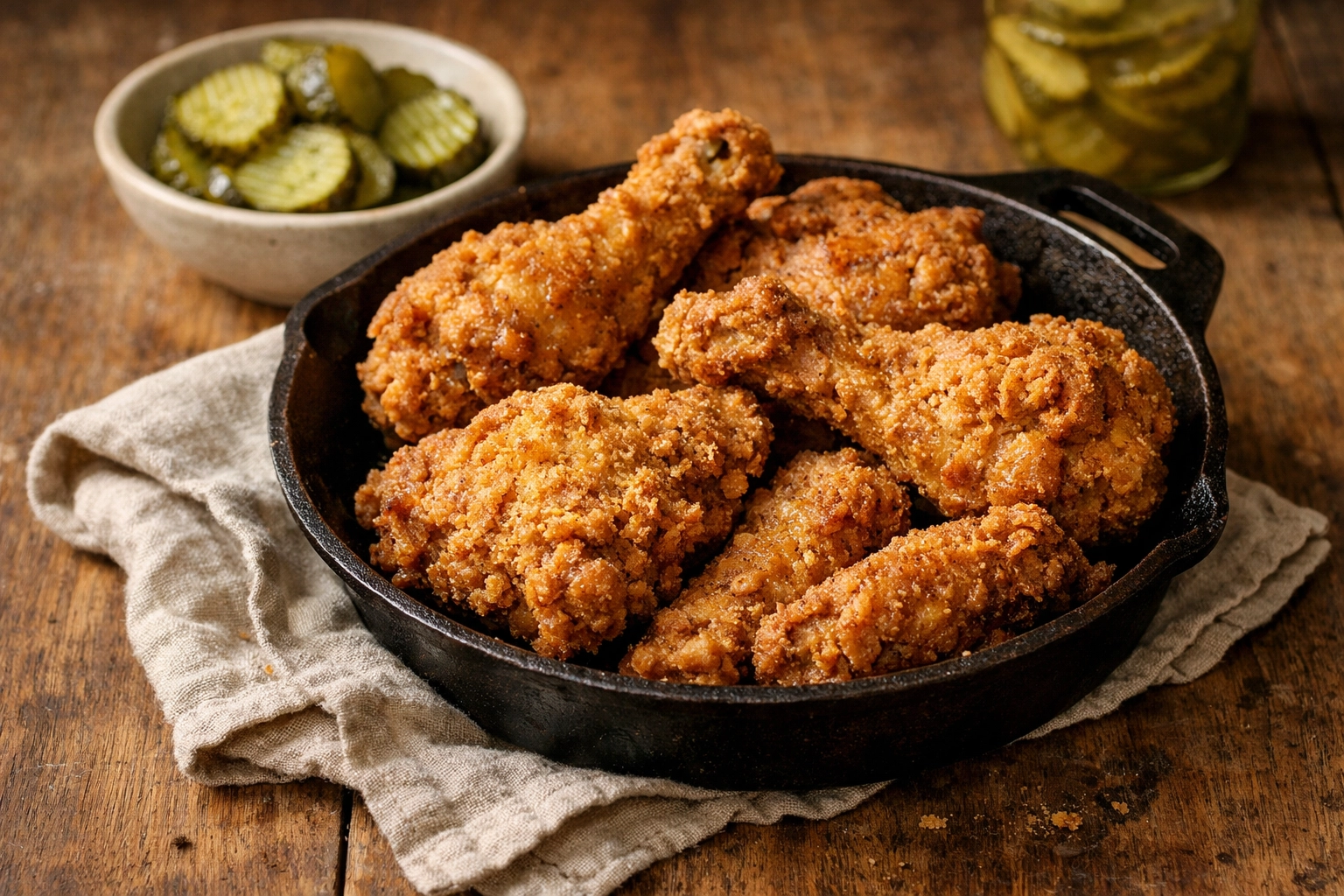
Fried chicken? That golden, crispy, perfectly seasoned masterpiece came from Scottish frying techniques combined with West African seasoning methods. Black cooks took it to another level entirely.
Barbecue? The low-and-slow smoking technique, the flavor combinations, the way meat falls off the bone: that's all rooted in African and African American cooking traditions.
Cornbread, catfish, chitterlings, pig's feet: dishes that defined Southern hospitality and comfort were born from making the most of what was available. That's not just resourcefulness. That's culinary artistry.
These recipes were passed down orally because reading and writing were made illegal during slavery. Grandmothers taught daughters, mothers taught sons, and the techniques survived through memory and practice. The first soul food cookbook wasn't even published until 1881, by Abby Fisher, a formerly enslaved woman who finally had the freedom to share her knowledge in writing.
Why This Matters to Us at Anita & Joe's
When Chef Billy cooks in Seattle, he's not just making dinner.
He's doing his best to honor the Black cooks, farmers, and families whose knowledge and talent shaped Southern cuisine in the first place.
We see ourselves as students and admirers of this history, and we're grateful to share these flavors while giving credit where credit is due.
Billy grew up in the South, where these traditions aren't abstract history: they're Sunday dinners, family reunions, and the smell of greens cooking all day long. When he moved to the Pacific Northwest and partnered with Kayla (who's from right here in Washington), they knew they wanted to bring that authentic Southern soul to our community.
We're happy to say that every time we serve collard greens, every time we cook grits, every time we fry chicken with that perfect crispy coating, we're doing it with deep respect for where these dishes came from and the people who created them.
We don't take shortcuts. We don't dilute the flavors. We honor the techniques that Black cooks perfected over centuries, and we work hard to educate our community about the real story behind Southern food.
Because Southern food is American food. It's the backbone of our culinary identity as a nation. And it wouldn't exist: not even close: without the creativity, resilience, and genius of Black Americans who took the worst circumstances imaginable and created something beautiful.
The Legacy Lives On
Soul food became more than sustenance. During the Great Migration, when millions of Black Americans moved North and West, soul food restaurants became cultural hubs. They were places where you could taste home, where communities gathered, where the Civil Rights Movement found meeting spaces and solidarity over plates of food that connected everyone back to their roots.
These restaurants were predominantly Black-owned businesses that helped build economic strength in communities facing Jim Crow laws and systemic discrimination. They were acts of entrepreneurship, resistance, and cultural preservation all at once.
Today, when we serve Southern food in Seattle, we're part of that legacy too. We're creating a space where people from all backgrounds can experience these flavors and learn these stories. We love to see families gather around our tables, sharing meals that have fed generations before them.
Our Commitment Going Forward
This Black History Month, we're reflecting on our responsibility as a Southern food business. We commit to:
Always giving credit where credit is due. Southern cuisine is Black cuisine. We won't let that history be erased or whitewashed.
Continuing to learn. We're always researching, listening to elders, and deepening our understanding of these traditions.
Supporting Black food entrepreneurs and farmers whenever possible, because economic equity matters.
Teaching our community. Every catering event, every private chef service, every conversation is an opportunity to share the real story of Southern food.
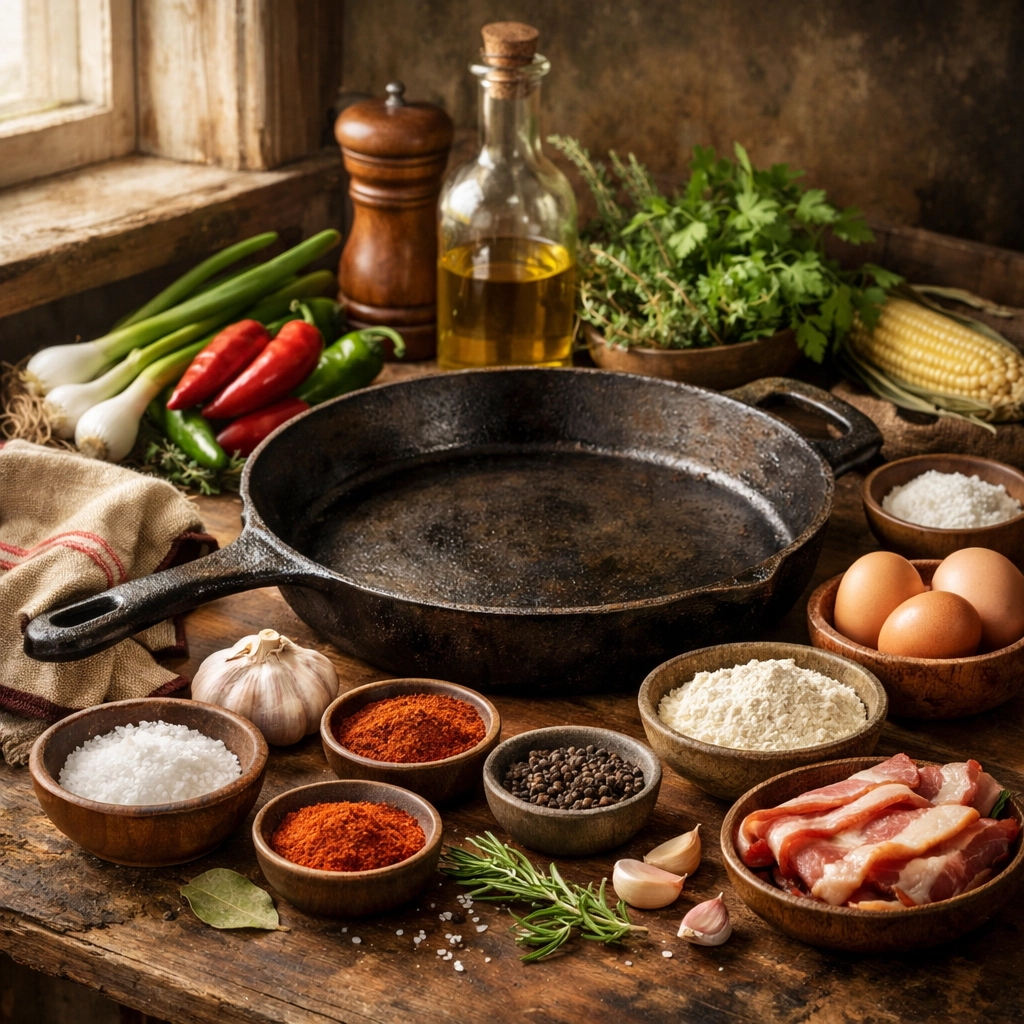
Cooking with integrity. We won't compromise on technique or ingredients. The ancestors deserve better.
Chef Billy carries this responsibility with pride every single day. From his Southern roots to the Pacific Northwest kitchens where he works now, he's a keeper of traditions that must never be forgotten.
Taste the Legacy
We invite you to experience this legacy with us. Whether you're booking a private chef service for an intimate dinner or planning a catered event, know that you're getting more than just a meal. You're getting history, culture, and soul on every plate.
We understand that food connects us to something bigger than ourselves. It connects us to the past, to the people who came before, and to the stories that shaped us. When you taste our collard greens, our cornbread, our perfectly seasoned fried chicken, we hope you taste the love, the struggle, the triumph, and the unbreakable spirit that created Southern cuisine.
This Black History Month and every month, we celebrate the Black legacy that gave us the food we love. We honor it. We respect it. And we'll spend every day trying to do it justice.
Ready to experience authentic Southern soul food?Explore our services and let's create something special together. Because the best way to honor this legacy is to keep these traditions alive, one delicious bite at a time.
Comments